
 admin
admin 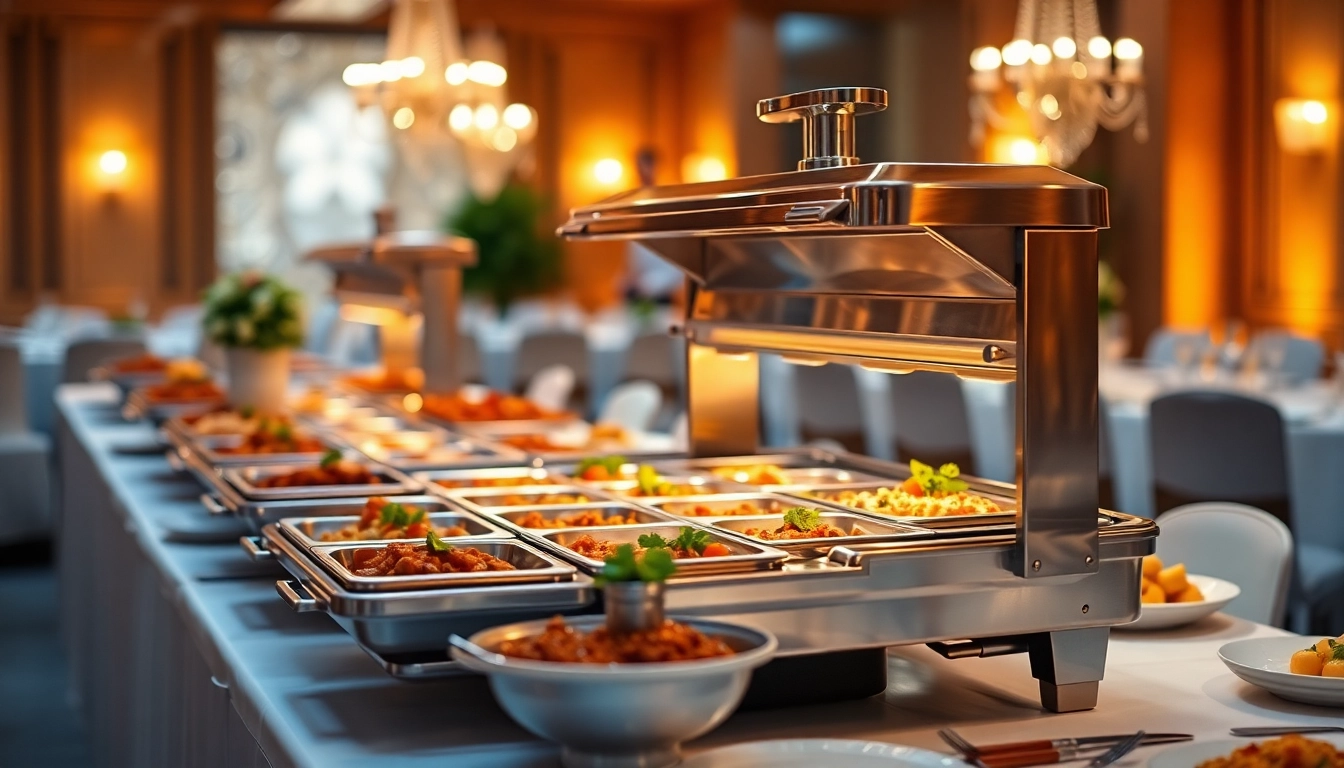
Introduction to Food Warmer
A food warmer is an essential appliance in kitchens, restaurants, and catering services that ensures hot food is served at the appropriate temperature. This tool plays a vital role in maintaining food quality and safety, catering to both commercial establishments and private events. Understanding the different types, benefits, and best practices related to food warmers can drastically enhance operational efficiency and customer satisfaction.
What is a Food Warmer?
A food warmer is a device intended to maintain food at its optimum serving temperature. It operates by utilizing various heating methods, including electric heat, steam, or heated air to keep cooked food warm without compromising taste or safety. These appliances are not merely for temperature maintenance; they also help in preventing foodborne illnesses by keeping dishes above the FDA recommended temperature of 140°F (60°C).
Types of Food Warmers Explained
Food warmers come in various types, each designed for specific applications:
- Countertop Food Warmers: Ideal for small-scale operations or home use, these warmers are portable, allowing for easy placement on countertops. They typically feature adjustable temperature controls.
- Buffet Servers: Often used in catering and buffet setups, these warmers are usually equipped with multiple compartments to hold various dishes at the same time.
- Heat Lamps: Emitting infrared heat, these lamps are commonly found in restaurants to keep plated meals warm until served.
- Commercial Food Warmers: Designed for heavy-duty use in restaurants, these warmers can be large units that store more food, often featuring multiple shelves and thermostatic controls.
- Steam Tables: A popular choice in buffets, these systems use steam to heat food in pans and help maintain freshness without drying out the food.
The Importance of Food Safety
Maintaining food safety is paramount in any food-related operation. Food warmers play a critical role in ensuring that food remains at safe temperatures to prevent bacterial growth. Here’s why food safety must always be a consideration:
- Food warmers should keep food at or above 140°F (60°C). Falling below this temperature increases the risk of bacterial growth.
- Monitoring temperatures regularly is essential to ensuring compliance with health codes and regulations.
- A well-maintained food warmer can significantly reduce food spoilage, thus minimizing waste and improving profitability.
Benefits of Using a Food Warmer
The adoption of a food warmer introduces several advantages for both personal and professional kitchens. Let’s look at the key benefits:
Consistent Food Quality
Quality control is crucial in the food industry. A food warmer ensures that every plate of food maintains its desired temperature, preventing the drying out or overcooking commonly associated with prolonged inactivity. Consistent temperature control helps retain flavor and texture, contributing to customer satisfaction and repeat business.
Cost-Effectiveness and Waste Reduction
Investing in high-quality warming equipment can lead to significant savings by reducing food waste. When food is stored properly at safe temperatures, the likelihood of spoilage decreases. This not only keeps costs down but also avoids the environmental impact of wasted food.
Enhanced Food Presentation
Serving lukewarm or cold food can detract from its appeal. Food warmers assist in maintaining an appetizing appearance through heat retention, allowing dishes to maintain their color and texture, significantly enhancing the overall presentation in both casual and fine dining settings.
Choosing the Right Food Warmer
Selecting the appropriate food warmer involves consideration of several factors. Here’s what to evaluate:
Factors to Consider Before Purchase
Before purchasing a food warmer, consider the following:
- Food Volume: Assess how much food you typically need to keep warm. Larger operations require more extensive solutions.
- Type of Food: Different foods may require specific heating methods, such as steam or hot air.
- Frequency of Use: Regular use justifies investing in commercial-grade warmers.
Materials and Construction Quality
The longevity and reliability of a food warmer also depend on its build quality. Stainless steel units are generally preferable due to their durability, resistance to staining, and ease of cleaning. Look for units that offer high insulation to ensure efficient energy use and low operating costs.
Size and Portability
Space is often a key consideration when selecting a food warmer. Ensure the chosen model fits within your kitchen layout while still being functional. Portable options are great for events, whereas stationary designs may suit a fixed kitchen environment better.

Best Practices for Using a Food Warmer
To maximize the benefits of your food warmer, adhere to the following best practices:
Temperature Maintenance Guidelines
Regularly check and calibrate the temperature settings of your food warmer. Use food thermometers to ensure that food remains within the safe serving range and adjust the settings as necessary to account for varying food types and quantities.
Proper Cleaning and Maintenance
Clean your food warmer regularly according to the manufacturer’s instructions. Accumulation of food residue can lead to contamination and compromise food safety, so routine cleaning is necessary to maintain optimal performance.
Common Usage Scenarios
Food warmers find use in several scenarios:
- Events and Catering: Ideal for keeping dishes at perfect serving temperatures during weddings, parties, and corporate events.
- Day-to-Day Restaurant Operations: Helps maintain food quality during busy hours, allowing fast service without compromising on food temperature.
- Home Use: During family gatherings, food warmers can keep multiple dishes hot and ready for serving.
FAQs about Food Warmer
What is the average lifespan of a food warmer?
The lifespan of a food warmer typically ranges from 5 to 10 years, depending on the quality, maintenance, and frequency of use.
Can a food warmer be used for all types of food?
Generally, food warmers can be used for a variety of foods, but specific types may require special handling, such as moist heat for certain dishes.
How much power does a typical food warmer consume?
Most food warmers consume between 500 to 1500 watts, depending on their type and capacity. Energy-efficient models are available to minimize costs.
Are food warmers safe for long-term use?
Yes, food warmers are designed for long-term use, but it’s essential to monitor food temperatures to ensure safety and compliance with health standards.
What is the best temperature to keep food warm?
The best temperature to keep food warm is above 140°F (60°C) to inhibit bacterial growth and ensure food safety for consumption.