
 admin
admin 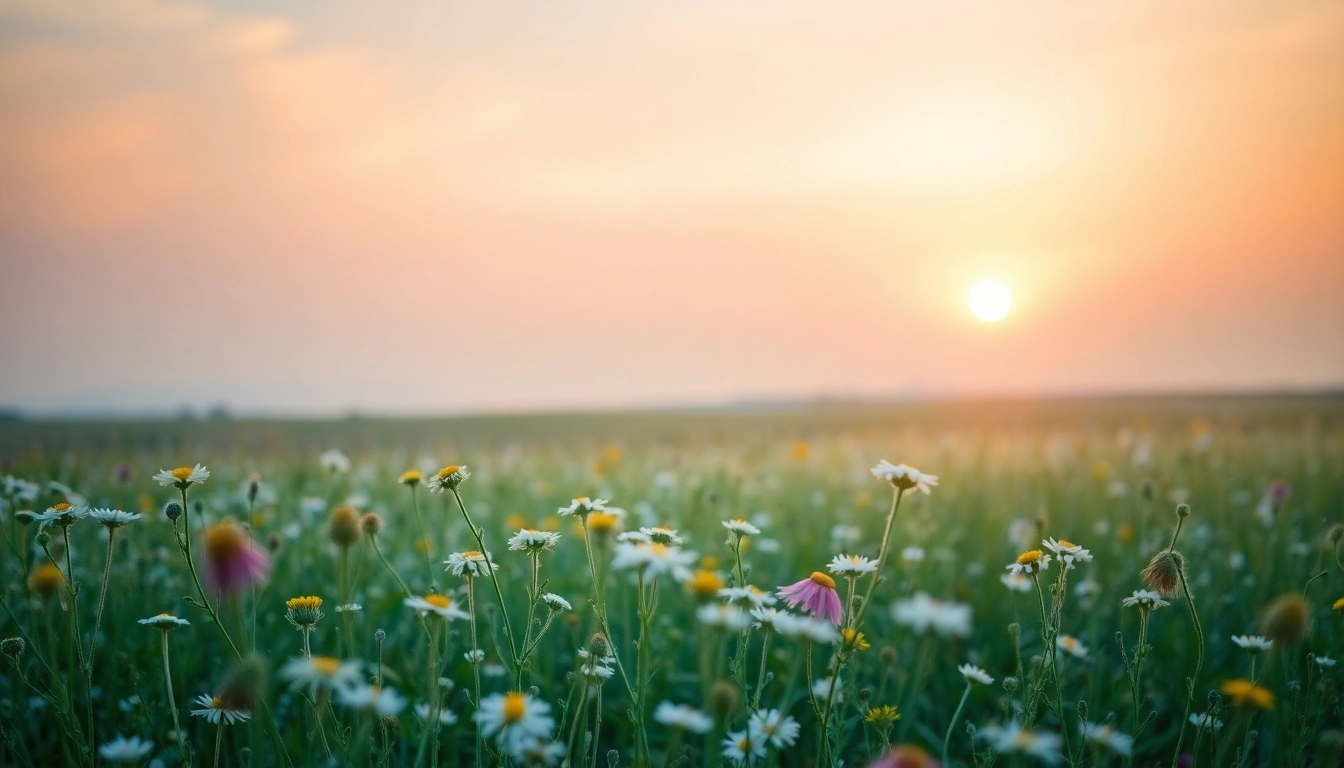
Understanding Light & airy photography
Definition and Key Characteristics
Light & airy photography is a popular style characterized by bright, soft-toned images that evoke a sense of peace and tranquility. This approach emphasizes well-lit compositions that often showcase natural light in a flattering manner. Its key characteristics include bright highlights, soft shadows, and a pastel color palette. The objective of this photography type is to create an ethereal quality in images, making the subjects feel light and free. By mastering this style, photographers can create stunning visuals that resonate emotionally with viewers. Light & airy photography is particularly popular in portraits, weddings, and lifestyle shoots.
Importance of Light in Photography
Light is the fundamental element in photography; it not only illuminates subjects but also sets the mood of the image. In light & airy photography, natural light is often preferred, as it creates a softer, more flattering illumination. The direction, quality, and color of light can dramatically influence the outcome of a photo. For instance, shooting during golden hour can provide a warm glow that enhances the light and airy feel. In contrast, harsh midday sun can create unwanted shadows and detract from the desired aesthetic. Understanding and manipulating light can significantly elevate a photographer’s work in this genre.
Common Techniques Used
There are various techniques that photographers employ to achieve a light & airy look. One popular method is to shoot in open shade or backlighted scenarios, avoiding direct sunlight that may produce harsh contrasts. Another technique involves using reflectors to bounce light onto the subject, reducing shadows and adding softness. Additionally, employing a wide aperture can help to blur the background, emphasizing the subject while giving an intimate feel. Finally, incorporating a light touch during post-processing can enhance the overall lightness of the image, ensuring that the final product stays true to the light & airy essence.
Getting Started with Light & airy photography
Essential Equipment for Beginners
For those embarking on the journey into light & airy photography, having the right equipment is crucial. A DSLR or mirrorless camera with a wide aperture lens (like 50mm f/1.8 or 85mm f/1.8) is ideal for achieving the desired softness in your images. A tripod can also be useful for stabilizing shots in low-light situations, allowing for longer exposures without compromising sharpness. Additionally, consider investing in reflectors or diffusers to manipulate light effectively. While advanced gear can enhance outcomes, mastering techniques can yield impressive results even with entry-level equipment.
Understanding Natural Light Conditions
To excel in light & airy photography, an understanding of natural light conditions is essential. The quality of light varies throughout the day and is influenced by the weather and environment. Shooting during golden hour—shortly after sunrise or before sunset—offers softer light with a warm hue, ideal for creating an ethereal feel. Overcast days can provide diffused light, reducing harsh shadows while maintaining a crisp appearance. Additionally, scouting locations that offer open shade can reveal casting shadows without losing the essence of brightness.
Choosing the Right Settings
Selecting the appropriate camera settings is pivotal in achieving the distinctive light & airy style. A low ISO (100-400) will maintain image quality by minimizing noise, especially in well-lit conditions. Utilize a wide aperture (f/1.8 to f/4) to produce a shallow depth of field, enhancing the subject while gently blurring the background. The shutter speed should be managed carefully to avoid motion blur—generally, it should be at least equal to the focal length of the lens used. Lastly, employing manual mode allows precise control over these settings, empowering photographers to create their signature style.
Composition Techniques for Light & airy photography
Framing Your Subject Professionally
Effective composition is crucial in light & airy photography. One common method is the rule of thirds, where the frame is divided into nine equal sections, placing the subject along those lines or points for a balanced aesthetic. However, professional composition often involves breaking traditional rules when needed—centered compositions can sometimes provide a simple yet powerful impact. Leading lines can guide the viewer’s gaze toward the subject, while thoughtful placement of elements within the frame can evoke emotions and enhance storytelling.
Utilizing Negative Space
Negative space plays a vital role in light & airy photography, not just as a background but as an integral part of the image’s composition. By including ample negative space, photographers can draw more attention to the subject, enhancing feelings of tranquility and spaciousness. This technique encourages visual clarity, making the image feel less cluttered. Additionally, using negative space can inspire viewers to reflect on the narrative behind the image, allowing for a deeper connection to the visual story being told.
Color Palettes that Enhance Features
Colors can significantly influence the mood of an image in light & airy photography. Soft, pastel shades—such as baby blue, pale pink, and lavender—complement the ethereal aesthetic. Outfits in these hues can harmonize beautifully with surroundings, contributing to a cohesive look. Moreover, a limited color palette can maintain a clean and uncluttered feel, enhancing the light and airy composition. Incorporating complementary colors that respect the overall tone can add subtle depth and interest to the imagery, further emphasizing the desired photography style.
Post-Processing Tips for Light & airy photography
Editing Software Recommendations
Post-processing is an essential step in achieving the final light & airy look. Popular software such as Adobe Lightroom and Photoshop offer extensive tools for enhancing images. Lightroom is particularly well-suited for bulk editing and organization, enabling photographers to streamline their workflow. Photoshop provides more robust editing capabilities for intricate adjustments. For beginners, Capture One and other mobile applications like Snapseed can also provide user-friendly interfaces for effective editing on the go. Each software has unique strengths, allowing photographers to choose based on their specific needs.
Creating a Consistent Style
Establishing a consistent editing style can set a photographer apart and create a recognizable brand identity. Key elements include consistent exposure levels, color grading, and sharpening techniques across images. One approach is to create and save presets in editing software, allowing for quick adjustments to achieve a signature light & airy effect. There’s value in maintaining cohesiveness in a portfolio, enabling viewers to recognize an artist’s style at a glance, which can also facilitate their decision to follow or hire them.
Enhancing Light and Colors for Effect
Adjusting light and color is crucial to achieving the desired ethereal quality in post-processing. Techniques such as increasing exposure and adjusting highlights can enhance brightness without overexposing. Carefully balancing shadows can minimize harsh contrasts while retaining detail. Hue and saturation adjustments can tame overly bold colors and bring forth softer tones, aligning with the light & airy theme. Using gradient filters may help control certain areas without affecting the entire image. Striking the right balance in editing will preserve the original aesthetic intention.
Advanced Techniques in Light & airy photography
Using Filters to Manipulate Light
Filters can be an invaluable tool in light & airy photography, enabling photographers to manipulate light quality and overall aesthetic in real-time. Neutral density filters allow for longer exposures even in bright settings, creating smooth effects such as soft backgrounds or dreamy water visuals. Polarizing filters can reduce glare and enhance color saturation, contributing to the ethereal feel. Additionally, using diffusion filters can soften harsh light, further promoting the light and airy atmosphere that this photography style is known for.
Exploring Different Perspectives
Changing perspectives can add uniqueness and creativity to light & airy photography. Experimenting with different angles—shooting from a low vantage point or capturing images from above—can yield fresh and intriguing compositions. Utilizing reflections or incorporating natural framing elements can create depth, making the subject visually stand out. This approach encourages photographers to think outside the conventional box, leading to innovative interpretations of familiar scenes.
Incorporating Props for Depth
Props can enhance compositions by adding layers and depth to light & airy photography. Simple elements such as flowers, flowing fabrics, or natural items like feathers and stones can create points of interest that draw the viewer’s eye. The key is to select props that complement the soft aesthetic without cluttering the scene. Collaborating with models can also serve to introduce movement, introspection, or storytelling, further enriching the overall visual narrative.
Frequently Asked Questions
What is light & airy photography?
Light & airy photography refers to a style characterized by bright, soft-toned images that evoke emotions of peace and tranquility, often making use of natural light.
What types of equipment are best for beginners?
A beginner should consider a DSLR or mirrorless camera, a lens with a wide aperture, a tripod, and reflectors or diffusers to manipulate light effectively.
When is the best time to shoot for this style?
The golden hour, shortly after sunrise or before sunset, is ideal for light & airy photography as it offers soft, warm lighting that enhances the aesthetic.
How can I edit my photos to look light & airy?
Use software like Lightroom or Photoshop to adjust exposure, enhance brightness, and refine colors. Applying presets can help create a consistent editing style.
Are props necessary in light & airy photography?
Props are not strictly necessary but can enhance compositions. Choose elements that complement themes without overwhelming the light & airy aesthetic.