Understanding Different Types of Flooring
Overview of Flooring Materials
When it comes to transforming your home, flooring is one of the most significant decisions you'll face. Flooring is not merely a functional aspect of your home; it sets the tone for aesthetics, comfort, and durability. The market is brimming with various materials, each offering unique attributes suited to different lifestyles, functionalities, and aesthetic preferences.
In broad terms, flooring materials can be categorized into hard and soft surfaces. Hard surface materials include hardwood, tile, laminate, and stone. These are known for their durability and ease of cleaning but often lack warmth. On the other hand, soft surfaces, like carpet, provide comfort and warmth but may require more maintenance.
Pros and Cons of Popular Flooring Options
Choosing the right flooring involves weighing its advantages against potential drawbacks. Below is an overview of common flooring types:
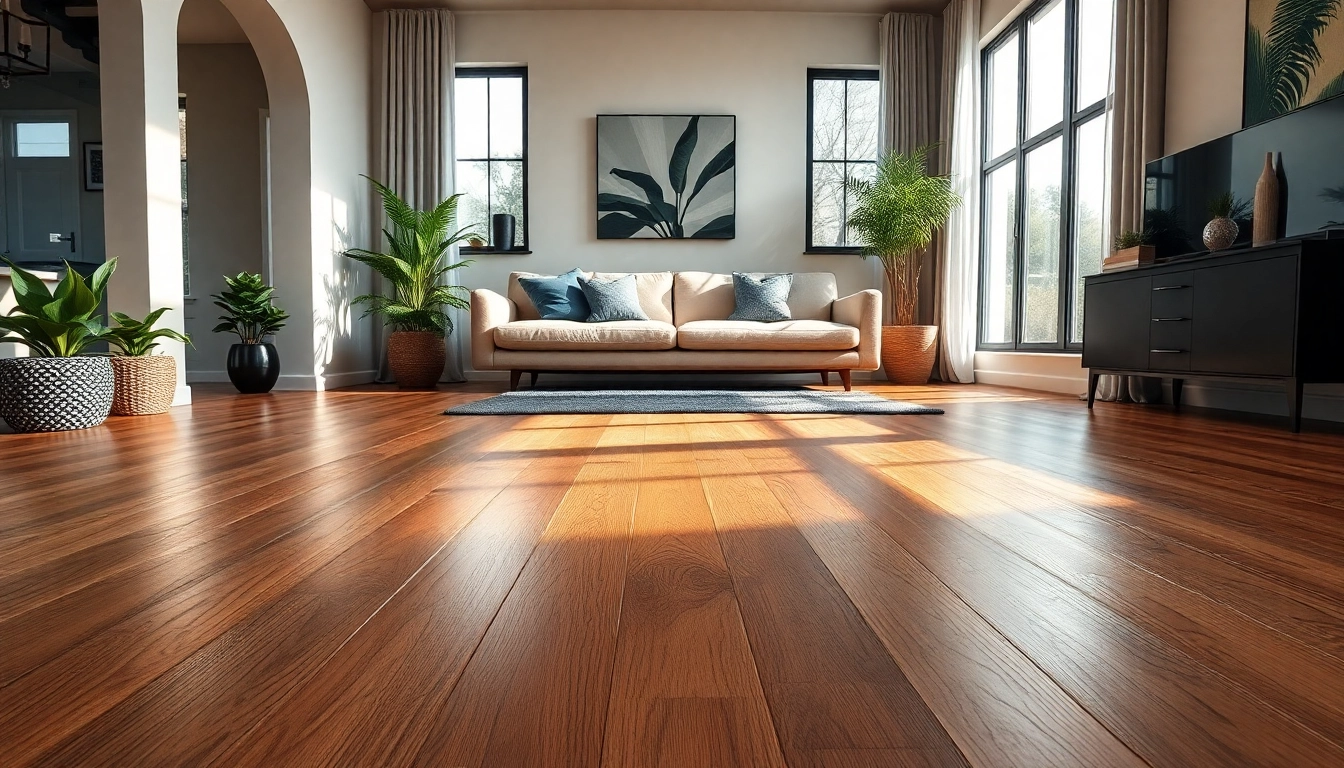
- Hardwood Flooring: A timeless option known for elegance and longevity. It can be sanded and refinished multiple times. However, it is susceptible to water damage and can be scratched.
- Tile Flooring: Highly durable, resistant to moisture, and available in various colors and designs. The downside is that it can be cold and hard underfoot.
- Laminate Flooring: Offers the look of hardwood or stone at a lower price. It’s resistant to scratches but can be less durable in high-moisture areas.
- Vinyl Flooring: Affordable, water-resistant, and versatile, vinyl is suitable for kitchens and bathrooms. On the downside, it may not add as much value to a home compared to other materials.
- Carpet Flooring: Adds warmth and comfort, ideal for bedrooms and living rooms. However, carpets require regular cleaning and can harbor allergens.
Choosing Flooring Based on Your Lifestyle
Your choice of flooring should reflect your specific needs and lifestyle. Consider factors such as:
- Family: If you have young children or pets, durability and ease of maintenance are key. Tile or laminate might suit your needs better than traditional hardwood.
- Climate: In humid areas, opting for moisture-resistant materials, such as vinyl or tile, is crucial.
- Space Usage: High foot traffic areas benefit from more robust flooring options, while quieter spaces may utilize softer materials for enhanced comfort.
Benefits of High-Quality Flooring
Durability and Maintenance Considerations
Investing in high-quality flooring pays off in the long run, both in terms of durability and minimal maintenance. Most premium flooring options withstand wear and tear much better than cheaper alternatives. For instance, high-grade hardwood can last for decades and can be refinished multiple times, while lower-quality hardwood may warp or scratch easily.
Impact on Home Value
Quality flooring significantly impacts your home’s resale value. Potential buyers often look for homes with high-quality finishes, including flooring. Upgrading to hardwood or stylish tile can not only improve your home’s appeal but also increase its market value. Real estate experts often suggest that flooring selections can return up to 70% of your investment when selling your home.
Health and Comfort Factors
Your choice of flooring can affect your health and comfort. Hard surfaces, for instance, are easier to clean and reduce allergens and dust buildup, providing a healthier living environment. Meanwhile, soft surfaces like carpets can provide warmth and comfort, but they may require more frequent cleaning to maintain a healthy indoor space. Always consider materials that contribute to air quality and comfort, particularly in areas where you spend significant time.
Installation Processes for Flooring
DIY vs Professional Installation
When deciding on the installation method, it's crucial to assess both your skills and the complexity of the flooring type. DIY installation can save you money, especially with plank-style vinyl or laminate flooring that features click-and-lock technology. However, hiring professionals ensures a smoother finish and reduces the risk of mistakes, particularly with intricate materials such as tile or hardwood.
Essential Tools and Materials Required
If you’re considering a DIY approach, you'll require specific tools and materials. Common tools for flooring installation include:
- Measuring tape
- Utility knife
- Pull bar and tapping block for laminate
- Flooring adhesive for glue-down options
- Spacers to maintain expansion gaps
Always check the specific requirements based on your chosen flooring type before you start.
Common Mistakes to Avoid
Avoiding mistakes is essential for achieving a professional-looking finish. Some common pitfalls include:
- Not acclimating flooring materials before installation, leading to warping or gaps
- Failing to check for level surfaces, which can cause issues later
- Neglecting to leave expansion gaps along walls and in doorways
By educating yourself about the installation process, you can avoid these missteps and achieve a stunning result.
Trends in Flooring Design
Color Schemes and Patterns
Our choices in flooring color and patterns undoubtedly influence the overall aesthetic of a space. Natural wood tones remain favored, but darker shades and unique patterns—like herringbone and chevron—are also gaining popularity. Bright or bold colors are often used as accents to bring individual flair to areas like kitchens or entryways.
Eco-Friendly Flooring Options
Sustainable flooring choices are becoming increasingly sought after as eco-awareness grows. Materials such as bamboo, cork, and reclaimed wood offer environmental benefits, as they reduce deforestation and promote recycling. These materials are not only attractive but also durable and often more moisture-resistant than traditional wood options.
Innovative Flooring Technologies
Innovation plays a significant role in modern flooring solutions. Innovations like waterproofing and anti-microbial treatments extend the lifespan of flooring while enhancing hygiene. Moreover, smart flooring technologies, which can integrate with home automation systems to control temperature and cleaning routines, are on the rise, offering both practicality and luxury.
Maintenance Tips for Longevity
Cleaning Techniques for Different Flooring Types
Different flooring types require different cleaning methods. For hardwood, a damp mop and mild cleaning solution can do wonders, while tiles may require a specialized cleaner for grout lines. Regular vacuuming, alongside preventative maintenance like floor mats, can significantly enhance the lifespan of your flooring.
Protective Measures Against Damage
Prevention is always better than remediation. Use furniture pads to protect against scratches, and maintain adequate humidity levels to prevent warping. For high-traffic areas, consider area rugs to minimize wear while also enhancing your décor.
Seasonal Maintenance Practices
Seasonal changes can take a toll on your flooring. In winter, it's a good practice to use mats at entryways and to maintain humidity levels within your home. In summer, ensure thorough cleaning to minimize allergens and dirt buildup from open windows.
Frequently Asked Questions
What flooring is best for high-traffic areas?
Durable options like tile, laminate, and luxury vinyl are ideal for high-traffic areas due to their resistance to scratches and stains.
Can I install flooring over existing floor?
Yes, many flooring types allow for installation over existing floors, but ensure the surface is clean, level, and dry to avoid complications.
How often should I clean my floors?
It's advisable to clean floors weekly while performing more in-depth cleaning monthly or seasonally, depending on material type and traffic.
Is carpeting a good option for allergies?
While carpets can trap allergens, low-pile carpets or hypoallergenic materials can minimize this risk when regularly cleaned.
What is the lifespan of hardwood flooring?
High-quality hardwood flooring can last 20 to 100 years with proper maintenance and periodic refinishing, making it a durable investment.