
Introduction to Logistics
Logistics is a pivotal component of modern business operations, intricately connected to supply chain management. It encompasses the planning, implementation, and control of the efficient flow of goods, services, and related information from the point of origin to the final consumer. The complexity of these processes necessitates proficient management to drive operational efficiency and customer satisfaction. As industries evolve, understanding the nuances of logistics becomes imperative for businesses aiming to thrive in the competitive global landscape.
Defining Logistics and its Importance
At its core, logistics can be defined as the science of moving goods and services in the most effective manner. It involves meticulous planning and execution of various operations including transportation, warehousing, inventory management, and order fulfillment. The importance of logistics cannot be overstated; it directly impacts cost efficiency, customer satisfaction, and ultimately, profitability.
Key Components of Logistics Management
Logistics management integrates several key components that are essential for successful operation:
- Transportation: Choosing the right mode of transport is crucial for timely delivery.
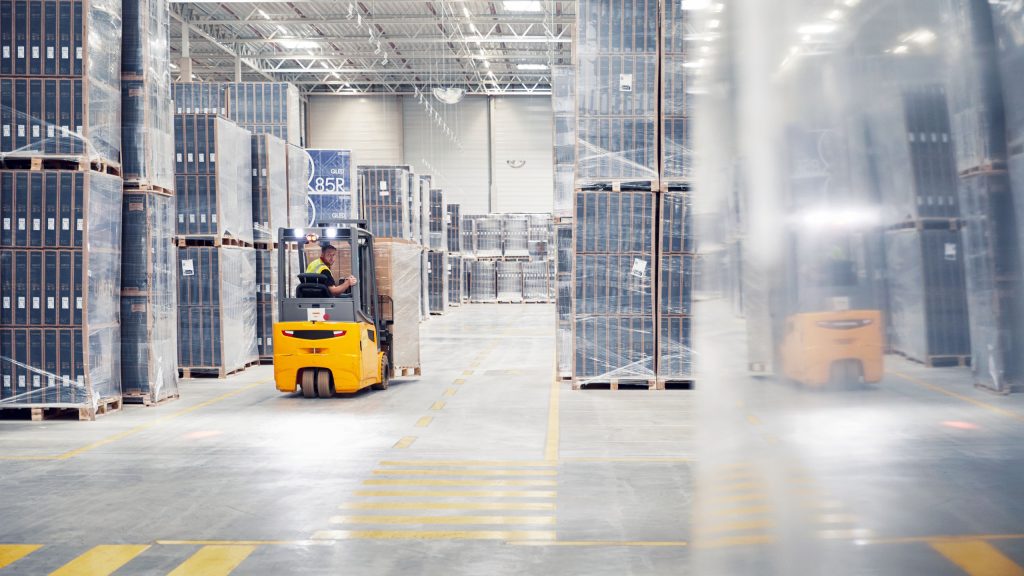
- Warehousing: Efficient warehousing operations ensure goods are stored properly and are readily accessible.
- Inventory Management: Maintaining optimal stock levels reduces costs while meeting customer demand.
- Order Fulfillment: Streamlined processes in order processing enhance customer experience.
- Information Flow: Effective communication systems are necessary to coordinate logistics activities.
Role of Logistics in Supply Chain Efficiency
In the context of supply chain management, logistics plays a critical role in enhancing overall efficiency. Proper logistics management ensures that products are available at the right place and at the right time, minimizing delays and excess costs. This responsiveness is particularly relevant in today’s on-demand economy, where customer expectations for quick delivery have skyrocketed. By optimizing logistics practices, businesses can reduce lead times, improve service levels, and maintain a competitive edge.
Types of Logistics Services
Inbound vs Outbound Logistics
Logistics can be broadly categorized into two distinct types based on the direction of the supply chain processes:
- Inbound Logistics: This involves all activities related to receiving, warehousing, and inventory management of raw materials or products from suppliers. Effective inbound logistics are crucial for minimizing costs and ensuring a seamless flow into production.
- Outbound Logistics: This refers to the processes related to the delivery of final products to customers. It includes order processing, transportation management, and distribution. Outbound logistics is vital for meeting customer expectations and enhancing satisfaction.
Third-Party vs Fourth-Party Logistics
In today’s logistics landscape, businesses can choose between utilizing third-party logistics (3PL) and fourth-party logistics (4PL) providers:
- Third-Party Logistics (3PL): These are outsourced logistics service providers who offer transportation, warehousing, distribution, and other logistics-related services. Businesses leverage 3PLs for scalability, cost savings, and expertise in logistics management.
- Fourth-Party Logistics (4PL): This model goes a step further by integrating all aspects of logistics and supply chain management. A 4PL provider functions as a single point of contact, overseeing and managing all logistics operations for a company, enabling better coordination and efficiency.
Integrated Logistics Solutions
Integrated logistics solutions represent a holistic approach to managing logistics and supply chain operations. By combining different types of logistics services and technology, businesses can streamline operations and reduce fragmentation. This integration facilitates better data flow, improved visibility across the supply chain, and enhanced collaboration among stakeholders. Adopting integrated logistics solutions can lead to significant cost savings and improved service delivery.
Challenges in Logistics Management
Overcoming Supply Chain Disruptions
The logistics sector is not without its challenges. Supply chain disruptions can stem from various sources, such as natural disasters, political instability, or sudden increases in demand. To effectively manage these disruptions, businesses must develop robust contingency plans that include:
- Identifying critical risks and vulnerabilities in the supply chain.
- Building strong relationships with multiple suppliers to create alternative sourcing options.
- Implementing flexible logistics strategies to adapt quickly to changing circumstances.
Technology and Automation in Logistics
The rapid advancement of technology presents both opportunities and challenges within logistics. Automation, artificial intelligence (AI), and the Internet of Things (IoT) have transformed traditional logistics operations. However, integrating these technologies can pose challenges such as:
- High initial investment costs for implementing new technology.
- Training employees and ensuring they are proficient in using advanced systems.
- Data security and privacy concerns associated with new digital platforms.
Nevertheless, businesses that successfully navigate these challenges can benefit from enhanced efficiency, improved accuracy in inventory management, and reduced operational costs.
Compliance and Regulatory Issues
Meeting regulatory requirements and compliance standards is another significant challenge in logistics. This is particularly true for international logistics, where companies must navigate different laws and regulations across countries. To ensure compliance, businesses should:
- Stay informed about the latest regulations affecting logistics in different jurisdictions.
- Engage with legal and compliance experts who can provide guidance and support.
- Implement robust compliance management systems that can help monitor adherence to regulations.
Best Practices for Effective Logistics
Streamlining Processes and Operations
To improve logistics operations, businesses should focus on streamlining processes through:
- Identifying bottlenecks in the logistics process and implementing measures to eliminate them.
- Standardizing operations to enhance efficiency and reduce variability.
- Encouraging a culture of continuous improvement across teams to foster innovation and responsiveness.
Utilizing Data Analytics for Decision Making
Leveraging data analytics in logistics management enables companies to make informed decisions. Utilizing data allows businesses to:
- Track performance metrics such as delivery times, costs, and customer feedback, leading to actionable insights.
- Analyze trends and patterns to forecast demand and optimize supply chain operations accordingly.
- Identify areas for improvement and implement strategies to enhance operational performance.
Improving Customer Experience in Logistics
Customer experience plays a vital role in the logistics process. Companies must focus on enhancing the customer journey by:
- Providing accurate tracking information and timely updates on order status.
- Offering flexible delivery options to meet diverse customer needs.
- Encouraging customer feedback to identify pain points and areas that require enhancements.
Future Trends in Logistics
Sustainability in Logistics Operations
With growing awareness of environmental issues, sustainability has emerged as a crucial focus in logistics operations. Companies are increasingly looking to reduce their carbon footprint through:
- Utilizing eco-friendly packaging materials.
- Implementing energy-efficient transportation alternatives.
- Investing in sustainable warehousing solutions, such as using renewable energy sources.
Sustainability not only benefits the planet but can also enhance brand reputation and customer loyalty.
The Impact of E-commerce on Logistics
The rise of e-commerce has fundamentally altered logistics dynamics. As consumers demand faster and more convenient services, logistics providers must adapt by:
- Enhancing last-mile delivery solutions to meet consumer expectations.
- Investing in warehousing capabilities closer to urban centers to facilitate quick delivery.
- Embracing return management strategies that streamline the process for returns, which is crucial in e-commerce.
Emerging Technologies in the Logistics Sector
Technological innovations are fuelling transformation across the logistics industry. Emerging technologies that are shaping the future of logistics include:
- Blockchain: Offering transparent and secure tracking of goods throughout the supply chain.
- Autonomous Vehicles: Promising to revolutionize transportation logistics by reducing reliance on human drivers.
- Advanced Robotics: Enabling faster, more efficient warehouse operations through automation of tasks.
By staying ahead of these trends, businesses can better position themselves for future success in the logistics sector.