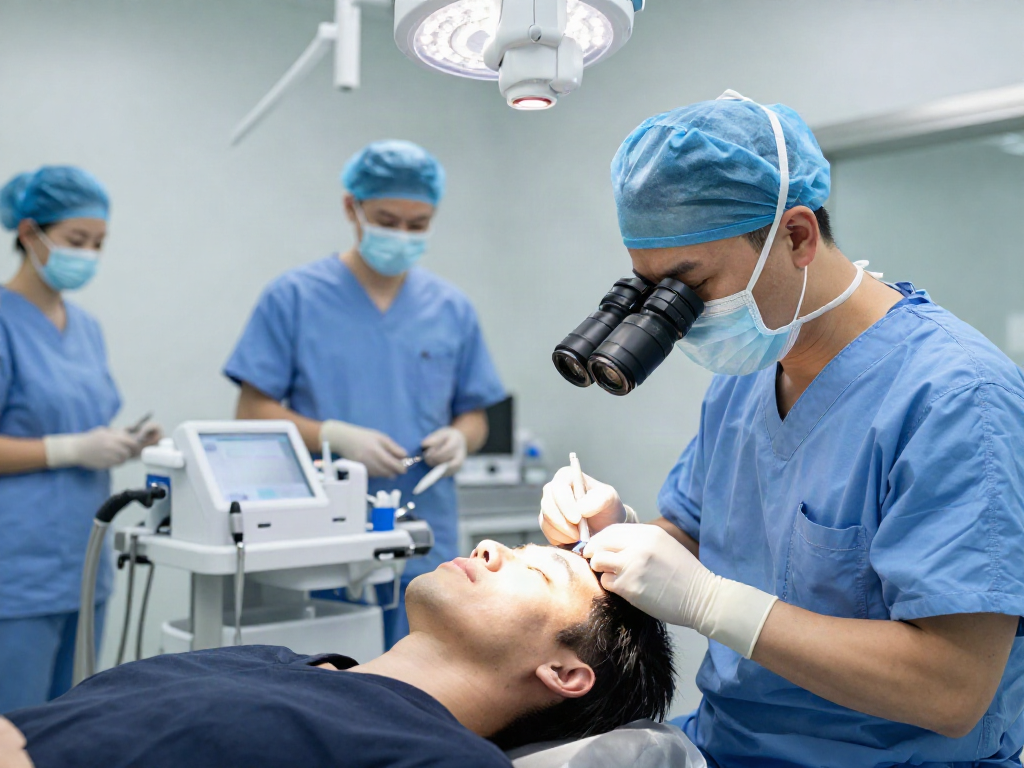
Understanding Dermaplane Facial
What is a Dermaplane Facial?
The Dermaplane Facial is a popular skincare treatment that involves the use of a specialized surgical scalpel to remove the outermost layer of dead skin cells and fine vellus hair, commonly known as "peach fuzz." This non-invasive procedure aims to reveal brighter, smoother skin while promoting cell turnover and enhancing the effectiveness of skincare products.
Benefits of Dermaplane Facial
The benefits of a Dermaplane Facial are multifold. Firstly, it provides immediate results; your skin will appear smoother and more radiant right after the treatment. Secondly, that it helps in exfoliation, removing dead skin cells that contribute to a dull complexion. Additionally, it can diminish the appearance of acne scars, pigmentation, and fine lines by promoting healthier skin renewal. Moreover, the removal of unwanted hair allows for precise makeup application and better absorption of topically applied products.
Who Should Consider Dermaplane Facial?
A Dermaplane Facial is suitable for various skin types, particularly those suffering from dry or dull skin, uneven tonality, and texture irregularities. It is also beneficial for individuals looking to improve the overall look and feel of their complexion without invasive procedures. However, individuals with active acne, rosacea, or sensitive skin may need to consult a dermatologist before proceeding.
How Dermaplane Facial Works
The Procedure Explained
The procedure starts with cleansing the skin thoroughly to remove any makeup and dirt. A skincare professional then uses a sterile surgical blade held at a 45-degree angle to gently exfoliate the skin in short strokes. This process effectively removes dead skin cells and vellus hair, creating a smoother surface. The entire treatment takes approximately 30 to 45 minutes, making it a quick yet effective option for rejuvenating skin.
The Tools Used in Dermaplane Facial
Primarily, a surgical scalpel specifically designed for dermaplaning is utilized. These blades are sterile and sharp, enabling precise exfoliation without causing damage to the skin. In addition to the surgical blade, skincare professionals may use other tools such as a facial scrubber or specific serums to enhance results post-treatment.
Preparing for Your Dermaplane Facial
Before undergoing the treatment, it's essential to consult with a skincare expert who can evaluate your skin condition and needs. Ideally, avoid using any heavy exfoliants or acids, such as glycolic acid or retinol, a few days prior to your appointment. This can help reduce any risks of irritation during the procedure. Proper hydration and maintaining a consistent skincare routine will also contribute to more effective results post-treatment.
Aftercare for Dermaplane Facial
Post-Treatment Skin Care
After care following the treatment is crucial to ensure optimal results. It is advisable to use gentle, hydrating skincare products that are free from harsh chemicals. Products containing hyaluronic acid or soothing ingredients like aloe vera can help calm the skin. Additionally, sunscreen is imperative; post-treatment skin is more sensitive to UV rays, increasing the risk of sun damage.
Common Side Effects and Solutions
Post-treatment side effects are generally mild, with some clients experiencing temporary redness or minor sensitivity. These symptoms usually subside within a few hours. In case of irritation, applying a soothing serum or a cold compress can alleviate discomfort. Always follow the aftercare recommendations provided by your skincare professional to minimize risks.
How Often to Get Dermaplane Facial
For best results, it is typically recommended to undergo a Dermaplane Facial every 4 to 6 weeks. This frequency allows for optimal skin cell turnover and helps maintain the skin’s smooth appearance. However, individual skin types and conditions may dictate different schedules, so consulting with a skincare professional is advisable.
Comparing Dermaplane Facial with Other Treatments
Dermaplane Facial vs. Microdermabrasion
Both Dermaplane Facial and microdermabrasion serve the purpose of exfoliating the skin but do so through different methods. While dermaplaning uses a surgical scalpel to physically remove dead skin and hair, microdermabrasion employs a device with fine crystals to sand the skin’s surface. Dermaplaning is gentler and suitable for sensitive skin, whereas microdermabrasion might be better for deep exfoliation.
Dermaplane Facial vs. Chemical Peels
Chemical peels involve applying a chemical solution to the skin to remove damaged outer layers. While both treatments enhance skin texture, a Dermaplane Facial provides immediate results with no downtime and minimal risk of irritation. Chemical peels, depending on their strength, may require recovery time and produce side effects like peeling and redness.
Finding the Right Treatment for Your Skin Type
Choosing between a Dermaplane Facial, microdermabrasion, or chemical peel primarily depends on your skin type and individual needs. Those with sensitive skin or looking for a quick revitalization might opt for dermaplaning, while individuals seeking deeper exfoliation may prefer microdermabrasion or targeted chemical peels. Always seek professional guidance to ensure the best treatment for your skin condition.
FAQs about Dermaplane Facial
What results can I expect after a Dermaplane Facial?
Results usually include instantly smoother and brighter skin. The full benefits, including improved texture and reduced fine lines, become more evident as your skin continues to renew itself over the following days.
Is Dermaplane Facial safe for all skin types?
Deramplane Facial is generally safe for most skin types but may not be recommended for those with active acne or extreme sensitivity. Consulting with a skincare expert before getting the treatment is advised.
How does Dermaplane Facial help with acne scars?
Dermaplaning helps to improve the appearance of acne scars by promoting skin cell turnover and smoothing out the skin's texture, leading to a more even and rejuvenated complexion.
Can I wear makeup after a Dermaplane Facial?
It is recommended to avoid makeup for at least 24 hours after the treatment to allow your skin to breathe and recover. When reapplying, opt for non-comedogenic, gentle products.
What should I avoid after Dermaplane Facial?
Post-treatment, avoid sun exposure, aggressive skincare products, and heavy exfoliants for a few days to reduce the risk of irritation. Prioritize hydration and sun protection.